For many people, Pokémon is not just a game, but a cultural symbol that spans childhood and adulthood. From early console games to anime, trading cards, and merchandise, Pokémon has built a vast and resilient consumption ecosystem. Today, that ecosystem is evolving into something lighter, faster, and closer to consumers—through vending machines.
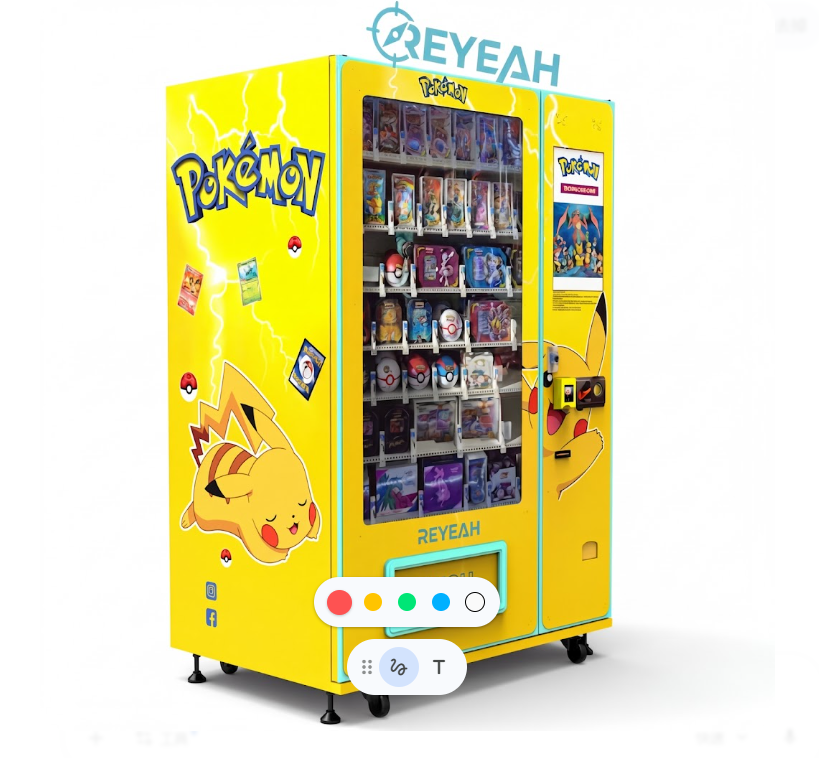
Step into a mall or entertainment venue, and when a Pikachu-themed vending machine comes into view, it rarely feels like just another machine. Instead, it acts as a trigger for memory. Children are drawn by colors and characters, while adults are pulled in by familiarity and nostalgia. This cross-generational appeal is something traditional vending machines can hardly replicate.
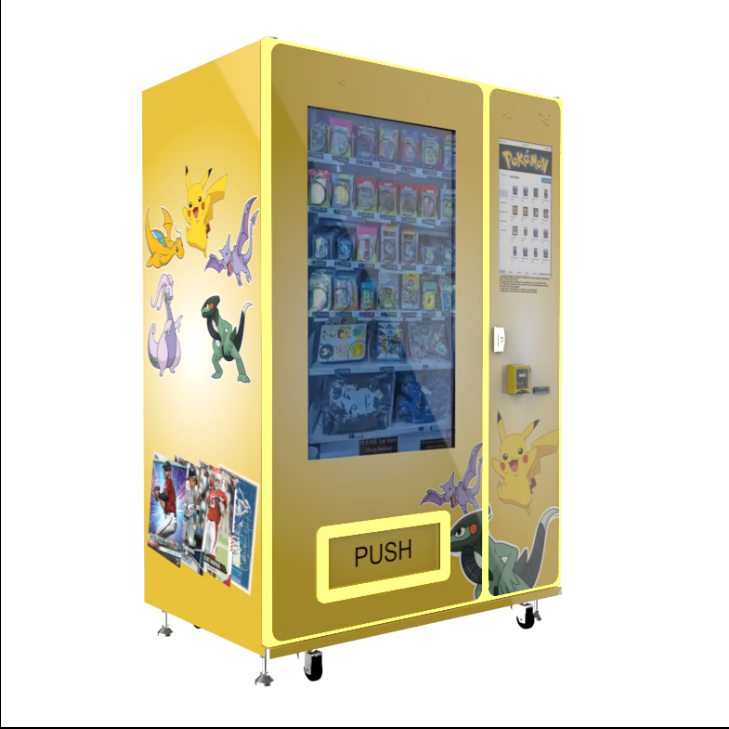
This model works largely because of the nature of Pokémon products themselves. Trading cards, blind boxes, and small collectibles are not one-time purchases—they are inherently repeatable and collectible. What users buy is not just a product, but uncertainty—the anticipation that the next one might be better. Vending machines compress that anticipation into a transaction that happens within seconds.
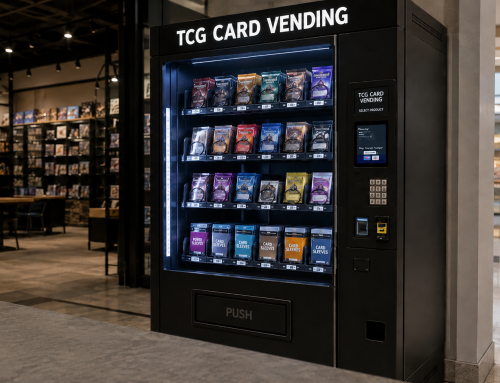
In Japan, this format is nothing new. Card vending machines and capsule toy machines have existed for years and continue to evolve. In Western markets, however, the combination of IP and automated retail is entering a phase of acceleration. The continued growth of the trading card market makes the “buy-and-open instantly” experience increasingly appealing. Compared to traditional stores, vending machines are more flexible, lower-cost, and easier to deploy in high-traffic locations.
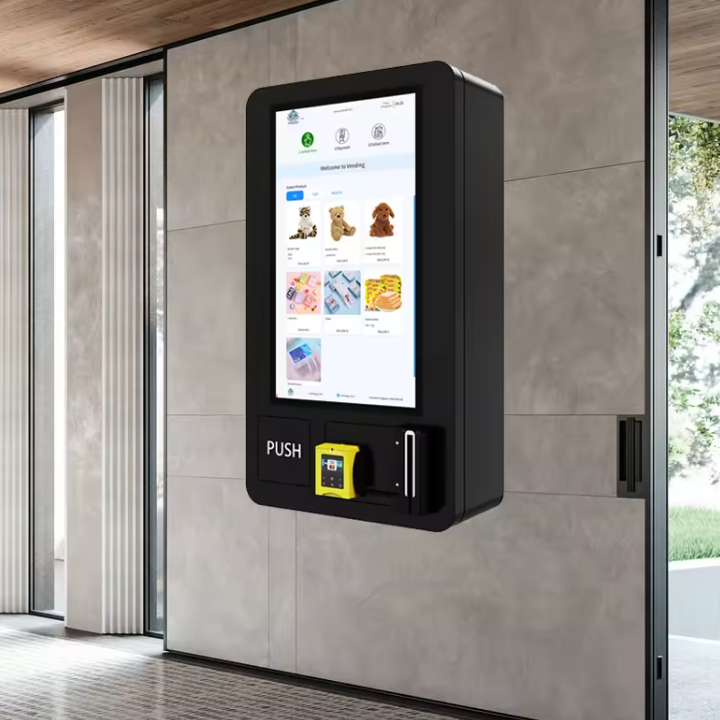
This is exactly the direction manufacturers like Reyeah are moving toward. Machines are no longer standardized products—they can be customized based on IP, scenarios, and even client branding. From exterior design to UI interface, and from payment systems to backend management, every layer is becoming more branded and intelligent.
With the integration of technology, these vending machines are gradually evolving from simple retail devices into experiential terminals. Screens are no longer just for displaying products—they enable interaction. Animations, card-opening effects, and even mini-games enhance user engagement. Meanwhile, simplified payment methods—from card to mobile pay—reduce friction and shorten the decision-making process.
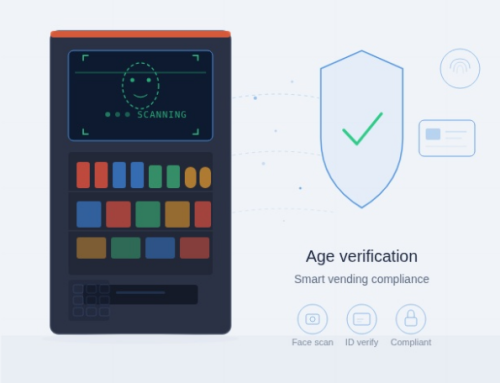
At the same time, compliance is becoming increasingly important. In some countries, products with randomized mechanics or specific categories may require age verification systems. This turns vending machines into more than just retail tools—they become regulated, intelligent endpoints capable of enforcing rules.
At its core, Pokémon vending machines are not changing what is being sold, but how it is sold. They transform a store-based purchase into an on-the-spot experience that can happen anytime, anywhere. The machine is merely a carrier—the real driver is the emotional connection created by the IP.
Looking ahead, this model is likely to expand into more IPs and more scenarios. But one thing is certain: when vending machines begin to carry emotion, memory, and entertainment, they are no longer just part of retail—they become a new entry point for consumption.